
- Visit Banyuwangi
- Tour
- Fasilitas Lengkap
- Dokumentasi Terbaik
- Harga Terbaik
Kawah Ijen Blue Fire: The Complete 2026 Travel Guide to Ijen Crater
4 October 2026 262x Kawah Ijen
Few places on Earth look like Kawah Ijen. Picture a turquoise lake glowing inside a volcanic crater. Electric-blue flames flicker across the rocks in total darkness, and the sun rises over a sea of clouds. This is Ijen Crater, one of East Java’s most unforgettable natural wonders. In fact, this is one of the only places on Earth to witness the rare Kawah Ijen blue fire firsthand.
If you are planning a trip to Banyuwangi, this guide has you covered. Specifically, it explains what makes the site so special, how the night hike works, and current entrance fees. It also shares practical tips for a safe, memorable visit.
What Makes Kawah Ijen So Special?
Kawah Ijen sits on the border of Banyuwangi and Bondowoso regencies in East Java. It is part of the wider Ijen volcano complex. The crater rim rests at roughly 2,386 metres above sea level, while the surrounding massif reaches almost 2,800 metres.
Inside the crater lies a striking turquoise lake. In fact, it is widely recognised as the world’s largest highly acidic crater lake. With a pH level below 0.3, it is roughly as acidic as battery acid. The lake is beautiful to look at, but it is far too dangerous to touch. Because of its geological, biological, and cultural importance, the site was designated an UNESCO Global Geopark in 2023.
The Legendary Blue Fire Phenomenon
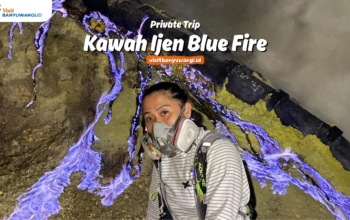
The main reason travellers set an alarm for 1 a.m. is the blue fire. As sulfuric gases escape through cracks in the crater floor, they ignite on contact with oxygen. This produces electric-blue flames that can reach temperatures of around 600°C. The effect is only visible in complete darkness, so the hike always starts well before dawn.
This phenomenon exists in only a handful of locations worldwide. As a result, Kawah Ijen is one of the most sought-after sights for photographers and adventure travellers visiting Indonesia.
Meeting the Sulfur Miners
Long before it became a tourist attraction, Kawah Ijen was a working sulfur mine. In fact, it still is today. Local miners descend into the crater each day to break off chunks of solidified sulfur. Afterward, they carry loads of up to 90 kilograms in bamboo baskets back up the steep trail. Many visitors find this as memorable as the blue fire itself. It is a powerful reminder of how physically demanding this traditional trade remains.
How to Get There
The trek begins at Paltuding, the main entrance post on the Banyuwangi side of the mountain. Most travellers base themselves in Banyuwangi city or a nearby village the night before. This is because most hikes begin in the very early hours, well before sunrise. Organised tours usually include hotel pickup and transport directly to Paltuding. This is by far the easiest option if you are unfamiliar with the route.
The Hike: What to Expect
From Paltuding, it is about a 3-kilometre climb to the crater rim. This usually takes 1.5 to 2 hours, depending on your pace and the trail conditions. The path starts wide and gently sloped through pine forest. Then, it becomes steeper and rockier as you approach the top.
Around the two-kilometre mark, you will pass the weighing post where miners have their sulfur loads recorded. After that, the trail levels out toward the rim, where you get your first panoramic view of the crater. From here, you descend partway to the viewing area for the blue fire.
Temperatures at the summit can drop close to freezing, and the air near the crater carries sulfur fumes. So, pacing yourself and dressing properly both matter more than most visitors expect.
Kawah Ijen Entrance Fee and Tickets in 2026
Entrance fees are set by BBKSDA Jawa Timur, the East Java conservation authority that manages the Ijen Nature Reserve. Generally, these fees are split between weekday and weekend rates:
- Foreign visitors: approximately IDR 100,000–150,000 per person (around US$6–10)
- Domestic visitors: approximately IDR 5,000–30,000 per person
Rates can shift slightly between updates, so it is worth confirming the current price shortly before your trip. Here are a few practical booking notes:
- Registration is done online in advance through the official BBKSDA system, and each visitor needs an individual permit.
- Since early 2025, payment at the gate has been cashless, processed via QRIS. So, bring a digital wallet or banking app that supports it rather than cash.
- Also, bring a valid ID card or passport for check-in at Paltuding.
- The site operates from 2:00 a.m. to 12:00 p.m., aligned with the best hours for the blue fire and sunrise.
Booking through a local tour operator, such as VisitBanyuwangi.id, takes care of registration and payment for you. This is especially useful if you are short on time or unfamiliar with the Indonesian booking system.
Best Time to Visit
The dry season, from April to October, offers the clearest skies and the safest trail conditions. Therefore, it is the ideal window to plan your visit. Outside these months, rain can make the path slippery. It can also increase the chance of the crater closing due to poor visibility or elevated gas levels. Either way, the crater can close on short notice if toxic gas concentrations rise too high. So, it is worth building some flexibility into your itinerary.
What to Bring and Safety Tips
- Warm layers. Temperatures at the summit can fall close to freezing before sunrise.
- Sturdy, closed-toe shoes. The trail is uneven, rocky, and occasionally slippery.
- A gas mask. Sulfur fumes near the crater can be harsh on the lungs and eyes. Masks are available to rent near Paltuding, but bringing your own is a good backup.
- A headlamp or torch. Most of the ascent happens in darkness.
- A cash-free payment method. Remember that entrance payment is QRIS-only.
- A local guide. Guides know the safest route and the best viewing spots. They also know how to read changing gas conditions, which matters more here than on an average hike.
Why Book Your Kawah Ijen Tour with VisitBanyuwangi.id
Planning an independent midnight hike in an unfamiliar country can be daunting. For example, you must arrange transport at 1 a.m. and navigate online ticket registration in a language you may not read. VisitBanyuwangi.id handles the logistics for you. This includes hotel pickup, transport to Paltuding, entrance permits, an experienced local guide, and gas mask rental. As a result, you can focus on the experience itself rather than the planning.
Ready to see the blue fire for yourself? Visit visitbwi.id to check available Kawah Ijen tour packages and book your spot.
Frequently Asked Questions
What time should I start the Kawah Ijen hike?
Most hikers begin very early, around 1 to 2 in the morning. This timing lets them reach the crater while it is still dark enough to see the blue fire. Afterward, they stay for sunrise.
Is the Kawah Ijen hike difficult?
The 3-kilometre trail takes most visitors 1.5 to 2 hours one way. Overall, it is a moderate hike. However, the final stretch is steep and can be tiring in the dark and cold.
Do I need a gas mask to visit Ijen Crater?
It is strongly recommended. Sulfur fumes near the crater rim can irritate the eyes and lungs. So, masks are often rented on site or arranged through your tour operator.
How much does the Kawah Ijen entrance ticket cost for foreigners?
Foreign visitors typically pay around IDR 100,000 to 150,000 (roughly US$6–10). The exact price depends on whether you visit on a weekday or weekend. These prices are set by BBKSDA Jawa Timur and can be updated periodically.

Maybe you are interested in reading the following article:

Mengapa Banyuwangi Menjadi Destinasi Favorit Corporate Gathering, Outing, dan Team Building di Jawa Timur
Mengapa Banyuwangi Ideal untuk Corporate Gathering? Dalam beberapa tahun terakhir, Banyuwangi berkembang menjadi salah satu destinasi unggulan untuk kegiatan corporate gathering, outing perusahaan, hingga team building di Jawa Timur. Perpaduan antara keindahan alam, akses transportasi yang semakin mudah, serta ragam aktivitas wisata menjadikan Banyuwangi pil... read more

Cara Baru Explore Pulau Tabuhan: Jet Ski & Paddle Board di Laut Biru Banyuwangi
Pulau Tabuhan selama ini dikenal sebagai salah satu destinasi wisata unggulan di Banyuwangi dengan pasir putih bersih, air laut super jernih, dan panorama yang menenangkan. Terletak di tengah Selat Bali, pulau kecil ini menjadi favorit wisatawan yang ingin menikmati keindahan alam tropis yang masih alami. Namun, kini pengalaman wisata di Pulau Tabuhan tidak ... read more
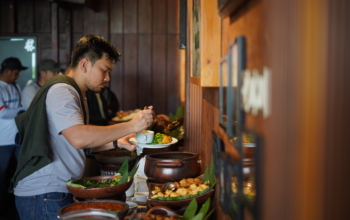
Rekomendasi Kuliner Khas Banyuwangi yang Wajib Dicoba Versi VisitBanyuwangi.id
Liburan ke Banyuwangi tak akan lengkap tanpa mencicipi ragam kuliner Banyuwangi yang kaya cita rasa dan penuh keunikan budaya. Kabupaten di ujung timur Pulau Jawa ini tak hanya memanjakan wisatawan dengan panorama alamnya yang memukau, tetapi juga dengan kekayaan kuliner tradisional yang menggoda lidah. Mulai dari makanan berat hingga kudapan ringan, ... read more

PRIVATE TRIP KAWAH WURUNG - TAMA...
*Start Rp 2.350.000 / paket

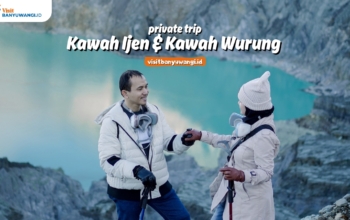
PRIVATE TRIP KAWAH IJEN - KAWAH ...
*Start Rp 2.075.000 / paket
Testimoni


Visit Banyuwangi - Temukan keindahan di setiap perjalananmu Bersama Visitbanyuwangi.id
By Pendekar Web Digital
Contact Us
If you have any questions, please contact us.
-
Hotline
082336862270 -
Whatsapp
082336862270 -
Email
newvisitbanyuwangi@gmail.com


No comment yet